
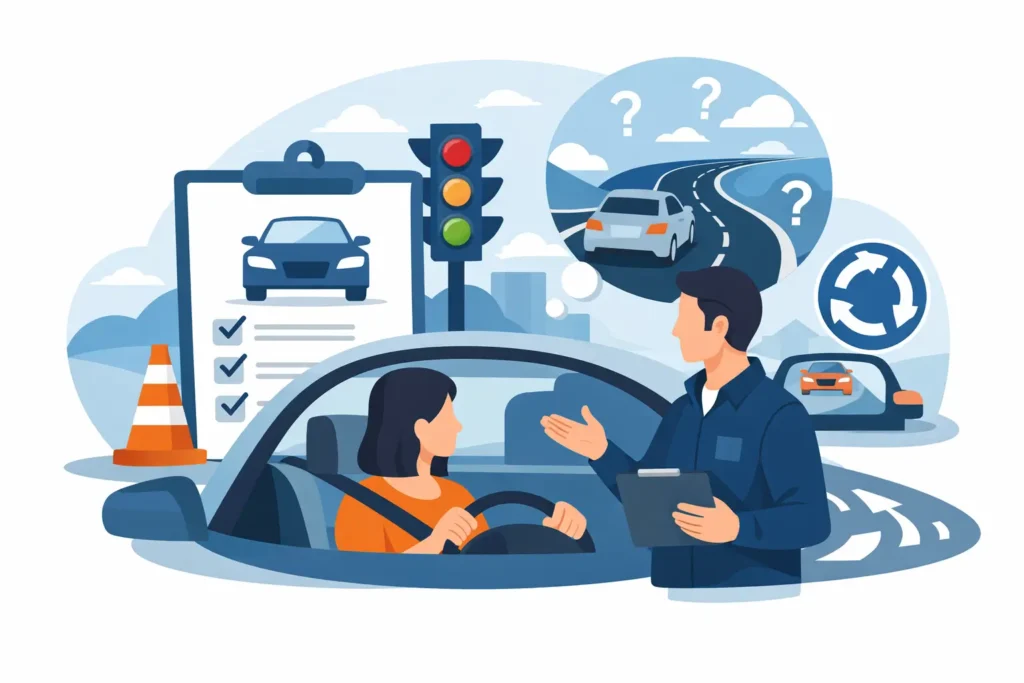
That uneasy feeling at a four-way stop, on a crowded freeway, or during a lane change is more common than most adults admit. An adult driving refresher course is often the fastest way to rebuild confidence without starting from zero. If you already have a license but feel rusty, anxious, or out of practice, a few focused lessons can make driving feel manageable again.
For many adults, the issue is not whether they know how to drive. It is whether they still feel steady doing it in real traffic. Life changes that. Maybe you moved to the South Bay and now deal with denser roads than you used to. Maybe you took years off from driving. Maybe a close call shook your confidence. Sometimes the hardest part is simply getting back behind the wheel with someone patient enough to help you reset.
What an adult driving refresher course actually does
A refresher course is not the same as teen driver training, and it should not feel like one. Adults usually do not need long explanations of the basics. What they need is targeted practice, clear coaching, and a plan that matches the specific situations that make them nervous.
That might mean working on left turns at busy intersections, freeway merging, parallel parking, backing up safely, or handling lane changes in fast-moving traffic. For some drivers, the priority is DMV test preparation after a failed attempt or a long gap in driving. For others, it is simply getting comfortable driving to work, school pickup, appointments, or errands again.
A good refresher lesson should feel practical from the first session. Instead of overwhelming you with too much at once, the instructor should identify where your hesitation starts and help you improve one skill at a time. That is often what turns anxiety into progress.
Who benefits most from an adult driving refresher course
Some adults assume refresher lessons are only for seniors or people who have not driven in many years. In reality, the need is much broader than that.
Drivers returning after a long break often benefit the most. If you stopped driving because of a move, family responsibilities, an accident, or simple lack of need, your knowledge may still be there, but your timing and comfort level may be off. That gap matters in California traffic, where hesitation can quickly create stress.
New residents are another strong fit. Someone who drove comfortably in a smaller town may feel completely different on San Jose or Fremont roads. The pace, lane patterns, cyclist awareness, and freeway behavior can all take adjustment.
It also makes sense for adults preparing for a driving test. Passing is not just about knowing the rules. It is about showing control, observation, positioning, and confidence during the drive. A refresher course can sharpen the habits that examiners watch closely.
Then there are drivers who still drive, but only in limited situations. They avoid highways, night driving, parallel parking, or unfamiliar areas. That does not mean they are bad drivers. It usually means they have built a narrow comfort zone. A refresher course can expand that zone safely.
Signs you may be ready for refresher lessons
Sometimes the need is obvious. Other times it shows up in small habits. If you grip the wheel too tightly, delay every lane change, avoid busy roads, or rely heavily on other people to drive, it may be time for extra support.
Another sign is when normal driving decisions feel mentally exhausting. If every turn, merge, or parking attempt feels like a major event, that stress can make driving harder than it needs to be. A calm instructor can help break that pattern.
You may also benefit if friends or family have tried to help, but their advice only makes you more nervous. That happens a lot. Loved ones mean well, but they are not always trained to teach. Professional instruction tends to be more structured, more objective, and much less emotional.
What to expect during lessons
The best adult refresher lessons are personalized. You should not be pushed through a generic script if your actual concern is freeway merging or downtown traffic. A strong instructor usually starts by asking what feels difficult, what your goals are, and how recently you have been behind the wheel.
From there, lessons often begin in lower-pressure areas before moving into more complex traffic. That progression matters. If a driver is already anxious, jumping straight into heavy traffic can backfire. Building comfort step by step usually leads to better long-term results.
Expect real-time coaching, not criticism. You should be told what you are doing well, where you need to adjust, and why a correction matters. That kind of feedback helps adults improve faster because it respects the fact that they are learning with a purpose.
In a professional training vehicle, safety features like dual brake controls can also make a major difference. They reduce pressure for nervous students and allow the instructor to step in if needed. That extra layer of support often helps adults relax enough to focus.
Confidence matters, but skill matters too
A lot of adults say they want to feel more confident, but confidence alone is not the goal. Real confidence comes from better habits. If someone feels nervous about changing lanes, the answer is not just reassurance. It is practicing mirror checks, blind spot awareness, speed matching, and timing until the process feels more predictable.
That is why a quality adult driving refresher course should address both mindset and mechanics. The emotional side matters because fear can interfere with decision-making. But lasting improvement happens when that fear is replaced by repeatable skills.
This is also where patient instruction matters. Adults often put pressure on themselves to improve quickly. They may feel embarrassed for needing help at all. A good instructor understands that and keeps the lesson focused on progress, not judgment.
How refresher lessons can help with the California driving test
Not every adult taking refresher lessons is test-bound, but many are. Some are licensed in another country and preparing for a California exam. Others had a permit years ago and are trying again. Some simply failed a behind-the-wheel test and want targeted practice before the next attempt.
In those cases, the value of a refresher course is very practical. It can help correct habits that commonly lead to point deductions, such as incomplete stops, poor lane positioning, rolling turns, weak observation, or inconsistent speed control. These are small errors that often come from nerves, not lack of intelligence.
The right practice can also make the test feel less intimidating. When students know what the examiner is looking for and have repeated those skills in similar road conditions, they usually show up more settled and more prepared.
Choosing the right adult driving refresher course
Not every school is a good fit for adult learners. Some programs are geared mostly toward teens and do not adjust their teaching style for adults who may be nervous, busy, or rebuilding confidence after a long gap.
Look for instruction that is patient, practical, and flexible. You want someone who can meet you where you are, whether that means starting with neighborhood streets or preparing for freeway driving and test routes. Clear pricing, easy scheduling, and local road familiarity also matter, especially if you are balancing lessons around work or family responsibilities.
For drivers in San Jose, Fremont, Sunnyvale, and nearby communities, local knowledge is especially helpful. An instructor who understands the traffic patterns, common DMV expectations, and day-to-day driving challenges in the area can make lessons more relevant right away. That is one reason many adults choose Forward Driving School when they want straightforward coaching and a calmer path back to confident driving.
Is it worth paying for refresher lessons if you already know how to drive?
In many cases, yes. If a few lessons help you drive independently again, pass a test, handle your commute, or stop avoiding necessary trips, the value goes far beyond the lesson itself. It affects work, family routines, and daily freedom.
That said, it depends on the issue. If you only need a quick review of parking or basic rules, you may not need many sessions. If your anxiety is stronger or your break from driving has been long, a series of lessons may make more sense. The goal is not to buy more instruction than you need. The goal is to get enough focused support to drive safely and comfortably on your own.
A refresher course is not a step backward. For many adults, it is the most practical way to move forward with less stress and more control. If driving has started to feel heavier than it should, a calm, professional lesson can be the point where things start feeling normal again.
